Cold Weather Pool Equipment: How Lower Temperatures Can Affect Pool Systems
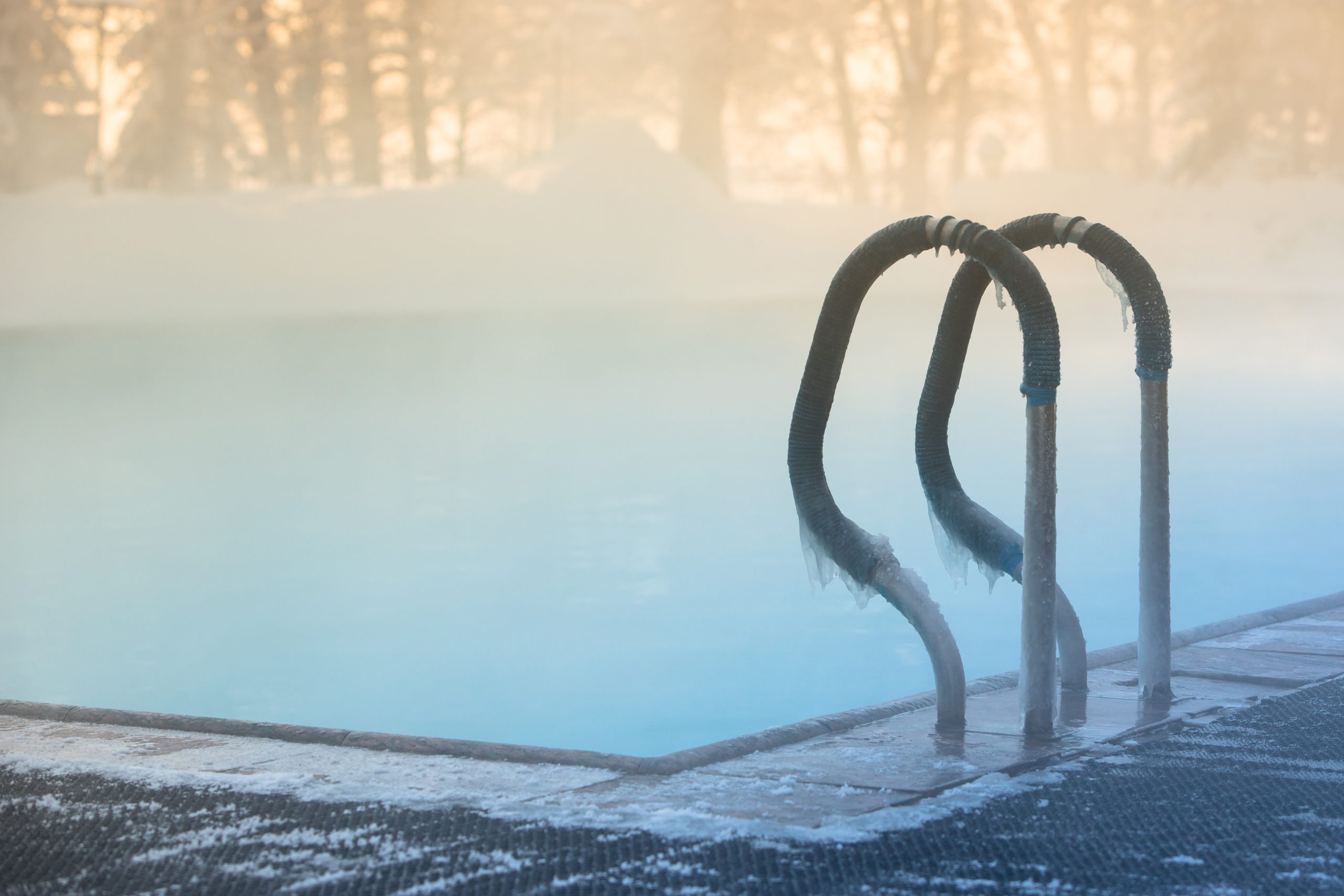
Freezing temperatures can create problems for commercial swimming pool systems, particularly when water remains inside exposed pipes, pumps, and other equipment. Cold weather pool equipment concerns often involve freezing water expansion, which can put pressure on plumbing connections and mechanical components. For pool operators, preparing for seasonal temperature changes involves understanding which parts of the system are vulnerable and how colder conditions may affect normal operation.
What Happens to Pool Equipment in Freezing Temperatures?
When water freezes, it expands. Inside a swimming pool’s plumbing or mechanical equipment, this expansion can create enough pressure to damage components. Cracked pipes, broken fittings, and damaged pump housings are among the potential consequences.
The risk depends partly on where equipment is installed. Components housed in temperature-controlled areas may have greater protection than those exposed to outdoor conditions. However, even a heated pool can have plumbing or equipment located in areas where freezing temperatures present a concern.
Commercial pool facilities also vary in design and operation. Some close for the winter, while others continue operating throughout colder months. These differences influence how equipment is maintained and protected.
Which Pool Equipment Is Most Vulnerable to Cold Weather?
Several components can experience problems when exposed to freezing conditions, especially if water remains trapped inside them.
- Pumps: Water inside a pump housing can freeze and expand, potentially causing cracks or damage to internal components.
- Filters: Freezing water may place stress on filter tanks, valves, and connected plumbing.
- Pipes and fittings: Exposed plumbing can develop cracks or leaks when trapped water freezes.
- Valves: Water left in valves and associated connections can contribute to damage during freezing conditions.
- Pool heaters: Heat exchangers and other water-containing components may be vulnerable if exposed to freezing temperatures without appropriate protection.
Understanding the layout of the equipment system helps operators identify areas that may need attention before temperatures drop. Manufacturer instructions can provide additional guidance for specific equipment.
How Cold Weather Can Disrupt Pool Circulation
Circulation is an important part of swimming pool operation. Pumps move water through the filtration and treatment systems before it returns to the swimming area. When freezing conditions affect plumbing or mechanical equipment, that movement can become restricted or interrupted. For example, ice forming inside a pipe may limit water flow. If circulation equipment continues operating under abnormal conditions, additional mechanical problems may develop.
Changes in water flow, unusual equipment sounds, unexpected pressure readings, or visible leaks may indicate that something within the system needs inspection. However, these symptoms are not exclusive to cold-weather damage. Problems involving filters, pumps, and valves can occur for other reasons as well.
Rather than immediately attributing an equipment issue to freezing temperatures, operators can use their knowledge of normal system performance to help narrow down the potential cause.
Preparing Commercial Pool Equipment for Winter
Seasonal preparation can reduce exposure to freezing conditions and help protect equipment during periods of inactivity. The appropriate approach depends on whether the swimming pool will close for the season or continue operating.
For facilities preparing to shut down, winterization may include several considerations:
- Draining equipment: Removing water from components where freezing could cause damage, following the appropriate equipment procedures.
- Preparing plumbing: Addressing water remaining in exposed lines or other vulnerable sections of the circulation system.
- Inspecting equipment: Checking pumps, filters, valves, and connections for existing concerns before colder conditions arrive.
- Reviewing manufacturer instructions: Using equipment-specific information to determine appropriate shutdown and winterization procedures.
- Documenting maintenance: Recording the work performed and any equipment conditions that may need attention when the facility reopens.
Winterization procedures can differ between commercial swimming pools. The equipment configuration, climate, facility operations, and applicable guidance should inform how a system is prepared.
Cold Weather Considerations for Year-Round Pools
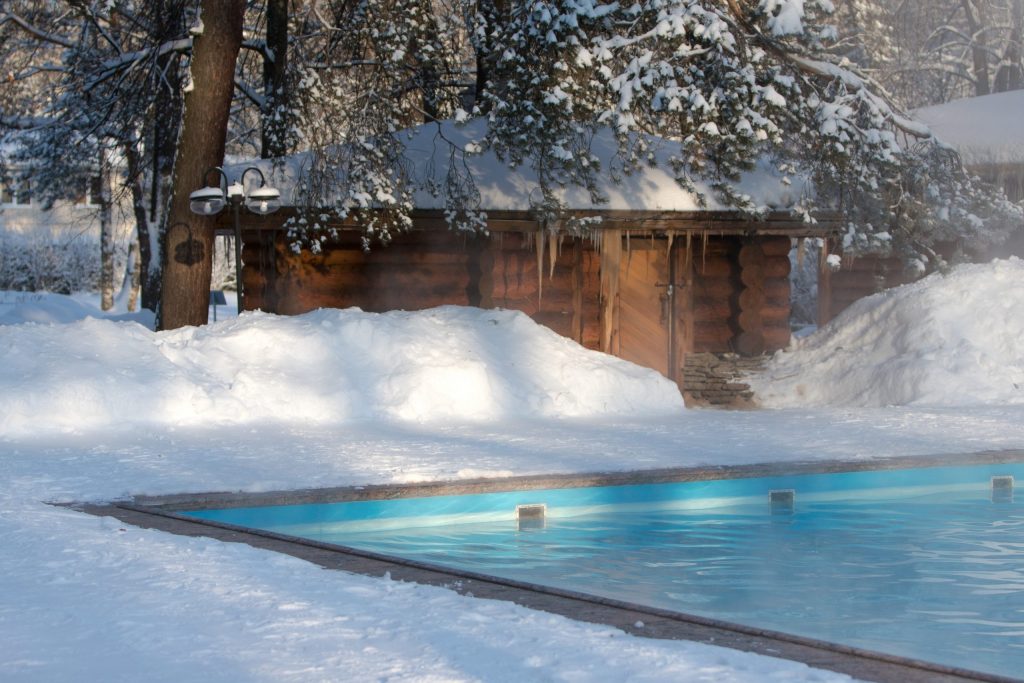
Commercial swimming pools that remain open during winter face different challenges than seasonal facilities. Circulation, filtration, and treatment systems continue operating, often while outdoor temperatures fluctuate.
Heated outdoor pools require particular attention because warm swimming water does not necessarily protect exposed plumbing or equipment from freezing. Components located away from the heated water may still encounter low temperatures.
Pool heaters can also experience increased operating demands as outdoor temperatures decrease. Maintaining the desired water temperature may require more energy, depending on the heating system, outdoor conditions, and facility design.
For operators managing year-round facilities, monitoring equipment performance becomes particularly useful during periods of extreme cold. Changes in circulation, heating performance, or system pressure may provide early indications that an area needs attention.
Checking Pool Equipment After a Freeze
Cold-weather damage may not become apparent until temperatures rise and frozen water begins to thaw. Cracks or weakened connections can lead to leaks once normal water movement resumes.
Following freezing conditions, equipment inspections may reveal:
- Visible cracks or moisture around pumps, filters, and fittings
- Leaks near plumbing connections
- Changes in normal system pressure or water flow
- Unusual equipment operation or performance
If damage is suspected, the affected equipment should be evaluated before normal operation resumes, following applicable facility procedures and manufacturer guidance.
Maintenance records can help operators document what was observed, which components were affected, and whether repairs or additional inspections may be appropriate.
Protecting Pool Systems Through Seasonal Maintenance
Cold weather can expose weaknesses in equipment that may not be noticeable during warmer months. Existing plumbing concerns, exposed components, and equipment conditions can become more significant when temperatures approach freezing.
Seasonal inspections provide an opportunity to review these areas and address potential concerns. They also help operators become familiar with the equipment and understand how changing environmental conditions affect system performance.
For commercial swimming facilities, this knowledge supports more than equipment protection. Reliable circulation, filtration, and treatment equipment contribute to maintaining appropriate pool conditions and supporting swimming safety.
Learn More About Pool Equipment Operation With Pool Operation Management
At Pool Operation Management, we provide pool operator training and certification resources to help aquatic professionals better understand swimming pool equipment, water chemistry, circulation, and filtration.
Our consulting and commercial pool services also support facilities seeking professional guidance with swimming pool operations. Whether managing a seasonal facility or a year-round commercial pool, understanding the equipment behind daily operation can help personnel make more informed maintenance decisions. Contact us to learn more about our training and professional services.