What Causes Foamy Spa Water? Causes and Care
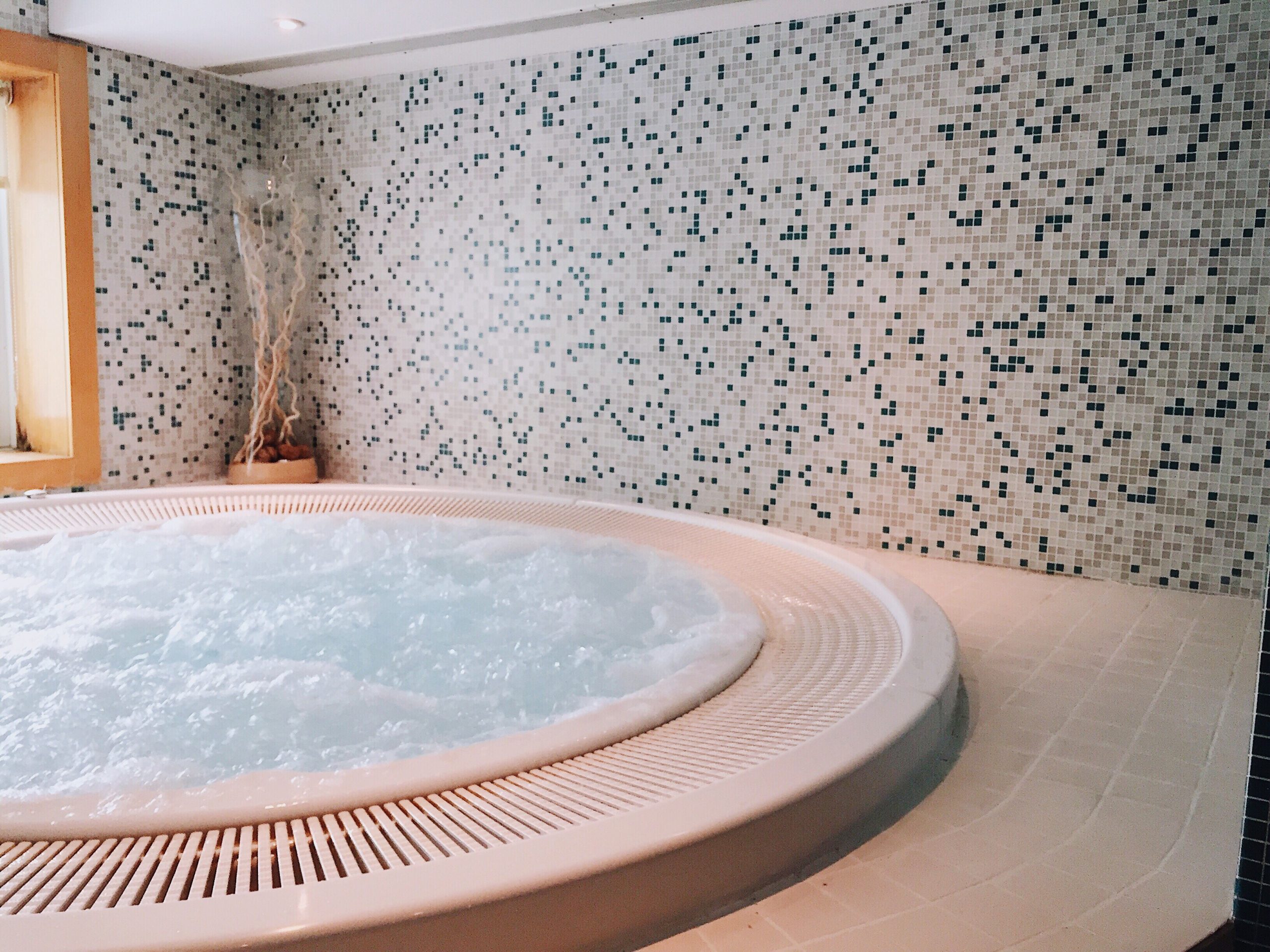
Foamy spa water is a common concern in commercial spas, particularly in facilities that experience frequent use. While some bubbling is normal when spa jets are operating, thick foam that collects on the surface or remains after the jets stop may indicate a buildup of substances in the water. For commercial spa operators, understanding what contributes to foam can help identify potential maintenance concerns and determine what areas need attention.
What Causes Foam to Form in Spa Water?
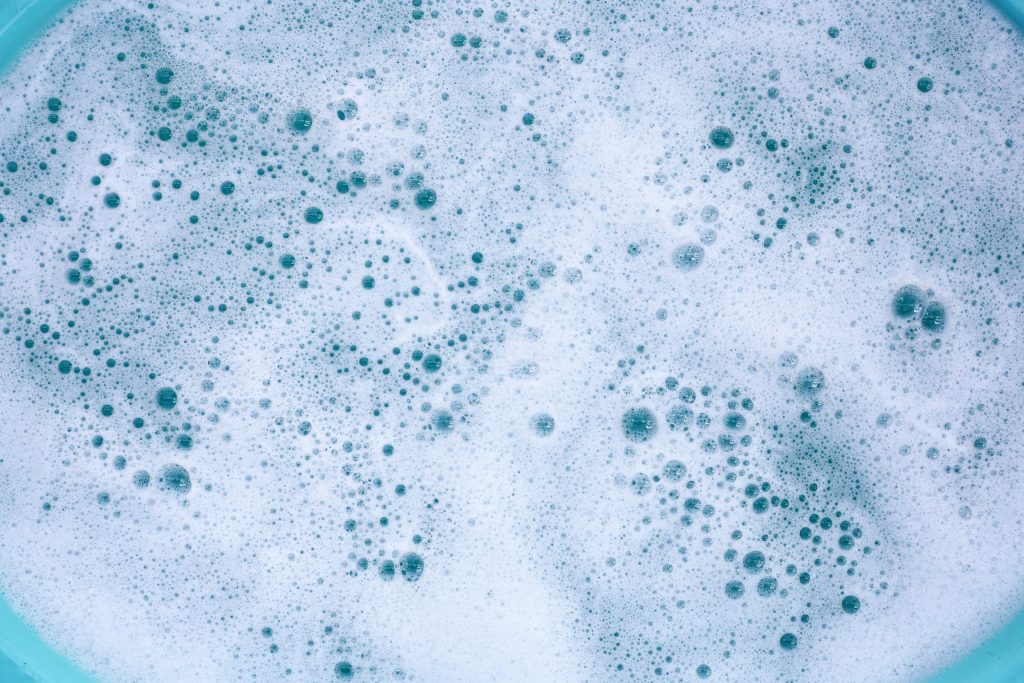
Spa jets introduce air into circulating water, creating the bubbles commonly seen during operation. Under normal conditions, these bubbles generally disappear quickly. However, certain substances can stabilize the bubbles, allowing them to accumulate as foam.
Several factors may contribute to foamy spa water, including:
- Body oils and lotions: Products carried into the spa on swimmers’ skin can accumulate in the water and contribute to foaming.
- Detergent residue: Soap and fabric softener left on swimwear can enter the water and foam when agitated.
- Personal care products: Cosmetics, sunscreen, and hair products may introduce substances that affect how bubbles form and dissipate.
- Buildup of dissolved substances: As a spa is used, materials can accumulate in the water, potentially increasing the likelihood of foaming.
These factors can occur together, especially in commercial spas with frequent swimmer activity. The appearance of foam does not necessarily point to one specific cause.
Can Water Chemistry Contribute to Foamy Spa Water?
Water chemistry can affect spa conditions, but foam alone doesn’t indicate which chemical parameter needs attention.
Operators can use water testing to evaluate pH, sanitizer levels, and other relevant chemistry conditions. These results provide information about the water but should be considered alongside recent spa use, maintenance activity, and equipment performance.
It is also important to distinguish between addressing visible foam and correcting the conditions contributing to it. Adding a treatment product just to remove foam may provide temporary improvement without addressing the buildup of substances in the water. For commercial operators, testing and understanding the results provide a better foundation for making appropriate maintenance decisions.
How Do Filtration and Circulation Affect Foam?
Commercial spas rely on circulation and filtration systems to move and treat water. Filtration removes suspended material, while circulation moves water through treatment equipment.
If foam becomes a recurring issue, operators can check filter condition, circulation performance, and recent maintenance. Changes in these areas may provide useful information about the spa’s overall operation.
However, filtration alone may not remove every substance that contributes to foam. Some dissolved materials can remain in the water, so water condition and maintenance history deserve attention alongside equipment performance.
How Can Operators Get Rid of Foam in Spa Water?
The appropriate response depends on what is contributing to the foam. Rather than relying on a single treatment, commercial spa operators can investigate several aspects of the facility.
A useful starting point includes:
- Testing the water: Review current chemistry readings to identify conditions that may need adjustment.
- Inspecting filtration equipment: Check filter condition and look for changes in normal circulation performance.
- Reviewing swimmer activity: Consider whether increased spa use may have introduced additional contaminants.
- Evaluating maintenance records: Look for recurring foam or changes following previous cleaning and treatment.
- Considering water replacement: Depending on water conditions and facility procedures, partial or complete water replacement may be appropriate.
Defoaming products can reduce visible foam, but they don’t necessarily remove the substances that cause it. Identifying the source can help operators select a more appropriate response.
Keeping Foam Under Control With Regular Maintenance
Managing foamy spa water involves more than reacting when bubbles appear. Routine testing, equipment checks, cleaning, and monitoring swimmer activity help operators spot changes in water conditions.
Commercial spas may experience fluctuations in use throughout the day, placing changing demands on water treatment systems. Operators who understand their facility’s normal conditions are better positioned to recognize unusual foam and investigate possible contributing factors. Maintenance records can also help identify patterns, particularly when multiple employees share operating responsibilities. Combined with proper training, these practices support more informed decisions about spa water quality and facility operation.
Build Stronger Spa Management Skills With Pool Operation Management
Foamy spa water is one of many conditions commercial spa operators may encounter. Understanding water chemistry, filtration, circulation, and routine maintenance helps professionals evaluate these situations with greater confidence.
At Pool Operation Management, we provide pool operator training and certification resources focused on the technical knowledge required to operate aquatic facilities. Our commercial pool services also support facilities looking to improve their pool and spa operations. For more information about our services and training opportunities, contact us today.