Common Pool Water Testing Mistakes Operators Should Avoid
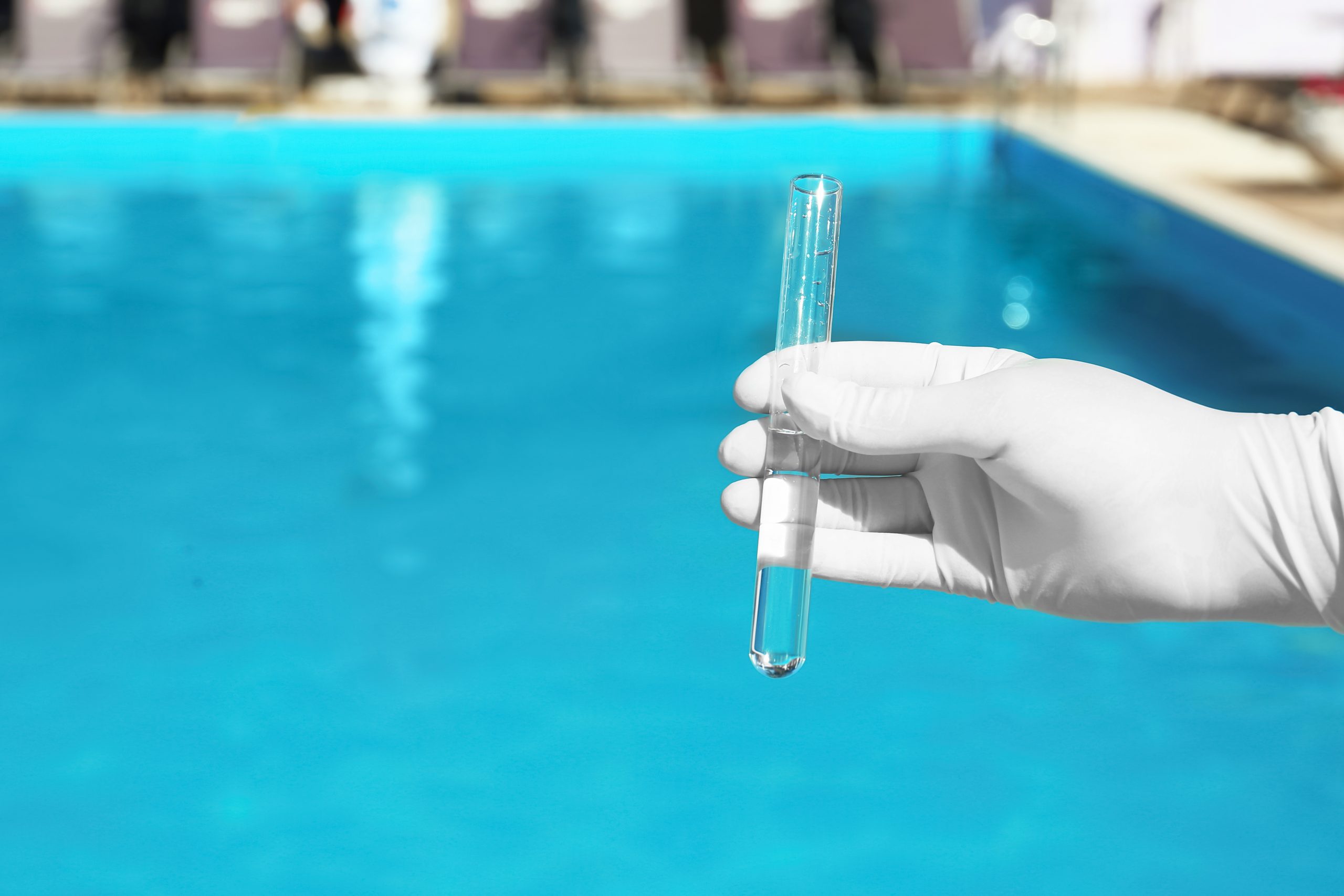
Pool water testing mistakes can give commercial pool operators an inaccurate picture of current water conditions. Testing provides valuable information about water chemistry, but the results are only useful when operators handle samples, procedures, equipment, and readings properly. Understanding common testing errors can help operators make better-informed decisions about water quality and overall pool operation.
At Pool Operation Management, we teach pool professionals to consider the entire swimming pool system. Water chemistry, circulation, filtration, chemical treatment, and swimmer activity can all affect pool conditions. Water testing gives operators information they can use alongside these other factors when evaluating what is happening at a facility.
Using Water Testing to Evaluate Pool Conditions
Appearance alone cannot tell an operator everything about pool water. Clear water may still deserve attention, while cloudy water does not automatically identify a specific chemistry problem.
Testing provides actual information about current conditions. Operators can then consider those results alongside circulation, filtration, treatment equipment, swimmer activity, and other observations. However, when testing errors produce an inaccurate reading, the decisions that follow may not address the pool’s actual conditions.
Mistake #1: Collecting a Water Sample Incorrectly
Accurate testing begins with the sample. Where and how pool water is collected can affect how useful the results are. Operators should follow sampling procedures appropriate for their facility and testing method rather than simply collecting water from the most convenient location.
Commercial pools can differ in design, size, circulation, equipment, and operating conditions. Applicable procedures can also vary by facility and location, making it important to understand the specific pool being managed.
Mistake #2: Overlooking the Condition of Testing Supplies
Testing supplies deserve regular attention just like other pool equipment. Reagents and testing materials should be handled and stored according to applicable manufacturer information.
Operators should also pay attention to the condition of the equipment they use. If a reading appears unusual, checking the testing supplies and equipment may be worthwhile before assuming the water itself has suddenly changed.
Mistake #3: Contaminating the Sample or Equipment
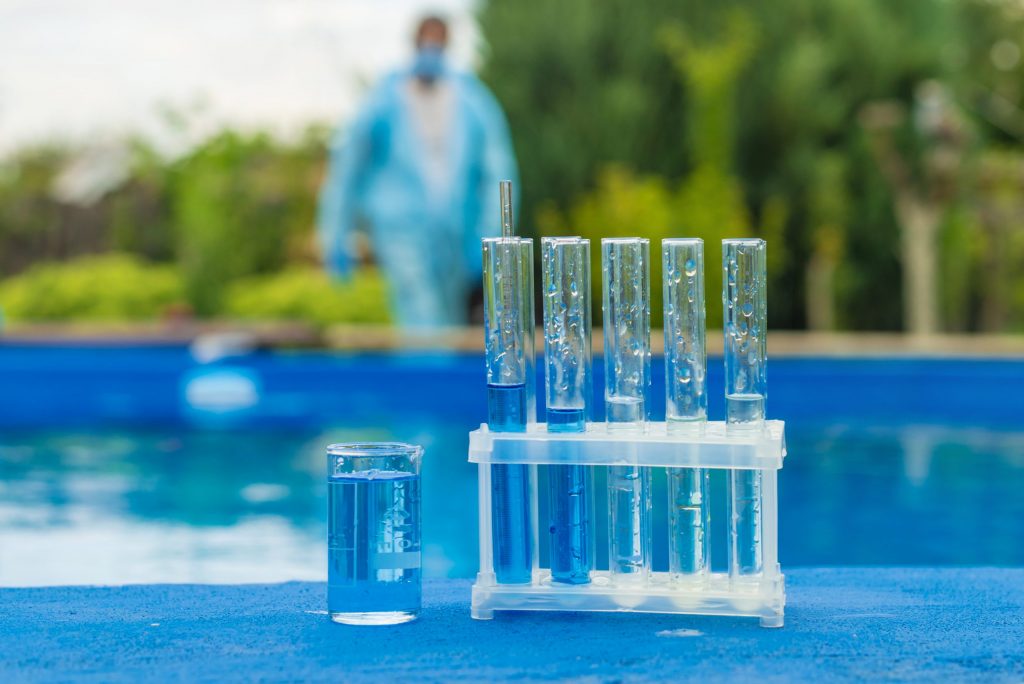
A test is intended to provide information about the water being sampled. Contamination can interfere with that process. Clean test cells, sample containers, and other testing components help reduce opportunities for outside substances to affect a test. Operators should follow the procedures for the specific testing system they use.
Consistency is especially useful at commercial facilities where testing occurs frequently or multiple trained employees share responsibility for monitoring water conditions.
Mistake #4: Rushing Through the Testing Process
Routine testing can become familiar, but familiarity should not lead to shortcuts. Sample quantities, reagents, timing, and other steps may influence the result depending on the testing method. Following the instructions associated with the test helps operators maintain a more consistent process.
Training adds context to these procedures. Rather than simply memorizing the steps of a test, operators benefit from understanding what is being measured and why that information matters.
Mistake #5: Misreading Test Results
Completing a test is only part of the process. Operators still need to read and understand the result. Different testing systems involve different procedures. Color-comparison tests may require visual interpretation, while digital equipment provides readings differently. Operators should understand the testing system used at their facility and follow the applicable manufacturer information.
Digital equipment does not eliminate the need for operator knowledge. Equipment still needs proper care, and the person performing the test needs to understand what the results mean.
Mistake #6: Immediately Reacting to an Unexpected Reading
An unusual reading deserves attention, but it does not necessarily explain what happened. Pool Operation Management emphasizes investigating pool conditions before trying to compensate for a symptom. The same approach applies to water testing.
When a result differs significantly from what an operator expects, it may help to review how the sample was collected, whether the procedure was followed correctly, and whether the testing supplies are in appropriate condition. Recent swimmer activity and changes elsewhere in the pool system may provide additional context.
Depending on the situation, repeating the test can also provide useful information before adjustments are made.
Mistake #7: Looking at One Reading in Isolation
Pool chemistry involves multiple factors that can interact. Water chemistry is also connected to the mechanical side of pool operation. Circulation moves water through the treatment system. Filtration removes material from circulating water. Chemical treatment equipment helps manage water conditions, while swimmers introduce contaminants that can change the demands placed on the system.
For that reason, a test result should be considered as one piece of a larger operational picture. A trained operator can evaluate the reading alongside other chemistry results, equipment performance, swimmer activity, and current pool conditions.
Mistake #8: Failing to Document Test Results
Records provide context that a single test cannot. Previous readings may help an operator determine whether a change occurred suddenly or developed over time. Documentation can also improve communication when multiple people share responsibility for a commercial pool.
Rather than relying on memory, operators can use recorded information as another tool when evaluating changing conditions. The specific records maintained will depend on the facility and applicable requirements.
Mistake #9: Assuming the Same Testing Approach Applies Everywhere
Commercial pools vary in design, equipment, circulation, treatment systems, swimmer activity, and operating conditions. State and local regulations may also affect testing and pool operation.
Operators should therefore be cautious about treating generic testing advice as appropriate for any facility. Facility procedures, manufacturer information, applicable regulations, and operator training can all help determine the appropriate approach. Understanding the principles behind pool operation gives professionals a stronger foundation for working with the specific system in front of them.
Mistake #10: Testing Without Understanding the Results
Knowing how to perform a test and understanding what the result means are two different skills. Technical knowledge helps operators interpret water chemistry within the larger pool system. For example, when water clarity changes, testing can provide important information, but circulation, filtration, treatment equipment, and recent pool use may also deserve attention.
This is where pool operator education becomes valuable. Understanding the relationships between water chemistry and pool systems helps professionals use test results as information rather than treating a single reading as the entire answer.
Water Testing and Swimming Safety
Water testing is one part of maintaining a safer commercial swimming environment. Water chemistry, circulation, filtration, equipment condition, water clarity, facility procedures, trained personnel, and appropriate swimmer behavior all contribute to the larger safety picture.
When conditions change, operators who understand these relationships are better prepared to gather information and investigate the potential cause. Careful water testing provides one of the tools they can use to make informed operational decisions.
Strengthen Pool Operations With Pool Operation Management
At Pool Operation Management, we help pool professionals develop the technical knowledge behind safer, more informed swimming pool operation. Our pool operator education and certification resources address water chemistry, circulation, filtration, equipment, and other important areas of commercial pool management.
Pool Operation Management has provided pool management education since 1980, helping pool professionals build a stronger understanding of the systems they operate. Commercial pool owners can also benefit from having knowledgeable, trained personnel responsible for testing, troubleshooting, water quality, and day-to-day facility operation. To learn more about pool operator education, certification, consulting, and inspection services, contact us today!