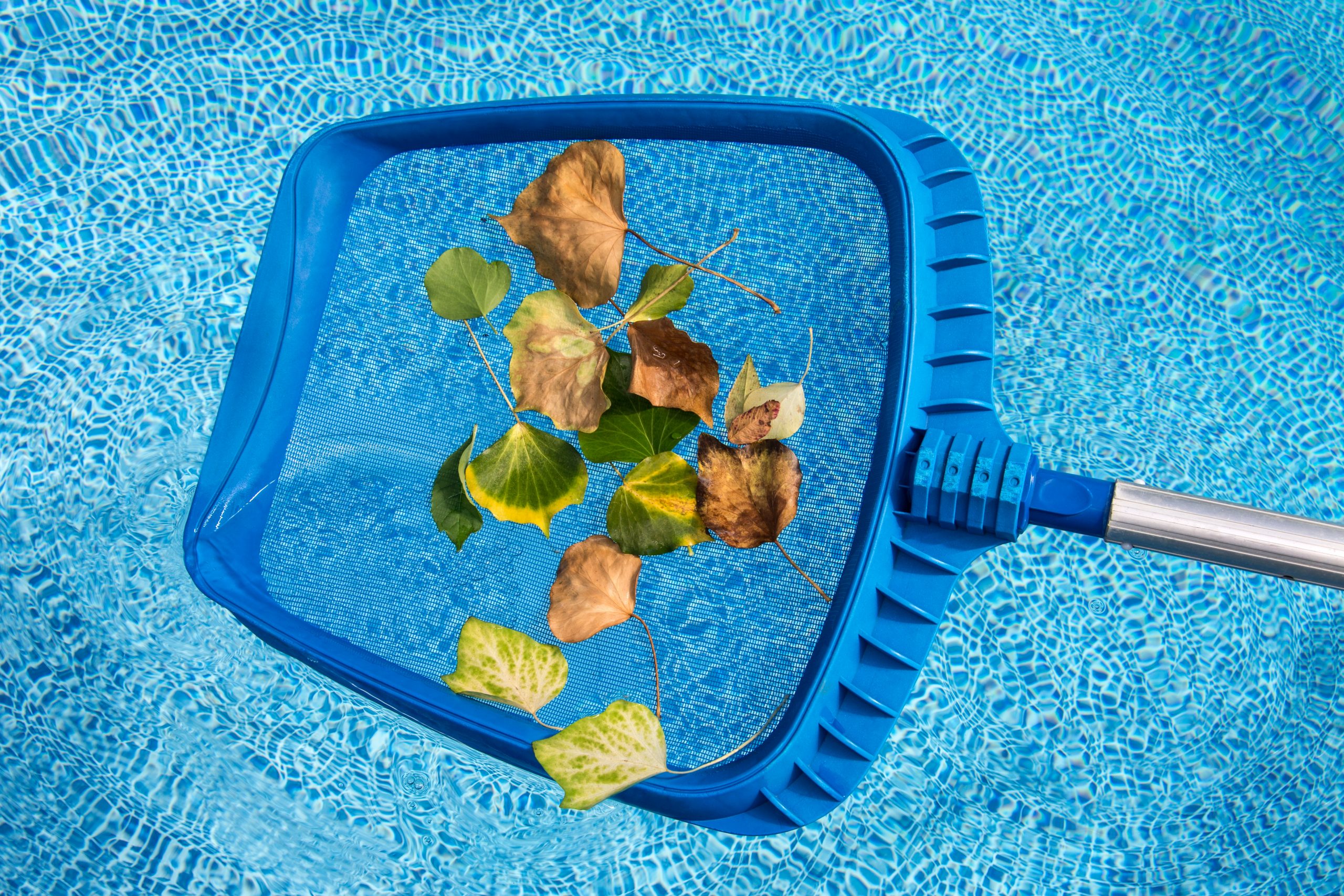
Leaves in Swimming Pool Water: How Fall Debris Can Affect Pool Conditions
Finding leaves in swimming pool water is common as outdoor conditions change in the fall, but the issue goes beyond appearance. Leaves and other organic debris can place additional demands on circulation, filtration, cleaning, and water management. For commercial pool operators, an increase in falling debris is a reason to pay closer attention to changing pool conditions and how the system is performing.
At Pool Operation Management, pool operator education focuses on understanding how different parts of a swimming pool work together. Seasonal debris provides a good example. Leaves enter the water at the surface, but their effects can extend to skimmers, filters, circulation, water clarity, and the amount of material the pool system needs to handle.
What Happens When Leaves Enter a Pool?
A few leaves on the surface may appear to be a simple cleaning concern. If debris continues entering the pool, however, the amount of material in the water can increase quickly. Some leaves remain on the surface where they can be removed relatively easily. Others may become waterlogged and sink. Smaller pieces of organic material can also move through the pool and enter the circulation system.
For an operator, this means fall debris can show up in several places. Looking only at the surface of the water may not provide the complete picture.
More Debris Means More Material for the Pool System
Commercial swimming pools rely on circulation and filtration to continually move and treat water. When leaves and other debris enter the pool, parts of that material may eventually reach the circulation and filtration system.
Skimmers and other collection points can capture debris before it travels farther through the system. As debris accumulates, operators should pay attention to these areas and become familiar with what normal conditions look like at their facility.
The filtration system deserves attention as well. Filters remove material from circulating water, and seasonal debris can add to what the system is handling. Operators who understand normal equipment conditions are in a better position to notice changes in pressure, flow, or other indicators that may deserve investigation.
Leaves Can Affect Water Clarity
Water clarity is more than an appearance issue at a commercial swimming pool. Clear water helps pool personnel maintain visibility into the swimming area, making clarity part of the broader safety picture.
Leaves can break apart and introduce smaller material into the water. If a large amount of debris enters the pool or the circulation and filtration systems can’t keep up with changing conditions, operators may notice changes in water appearance.
However, cloudiness should not automatically be blamed on leaves. Water chemistry, filtration, circulation, treatment equipment, contaminants, and pool use can all affect clarity. When conditions change, operators can evaluate the available information rather than assuming one visible issue explains everything.
Organic Debris Can Influence Water Conditions
Leaves are organic material. As that material sits in pool water and begins to break down, it becomes another factor for operators to consider when evaluating pool conditions. Water testing can provide useful information during periods when outdoor conditions are changing. Rather than making a chemical adjustment simply because leaves are present, operators can work from actual test results and consider those results alongside what is happening throughout the pool.
This approach is particularly useful for commercial facilities. The amount of debris entering an outdoor pool can change from day to day depending on weather, surrounding landscaping, and other conditions. Understanding the pool’s normal operation makes those changes easier to recognize.

Circulation Can Be Part of the Fall Debris Picture
Circulation carries pool water through filtration and treatment processes before returning it to the swimming area. When leaves and other material collect around parts of the circulation system, operators should take note.
A change in circulation does not necessarily mean leaves are responsible. Pumps, filters, and other components can experience changes for a variety of reasons. Visible debris simply gives the operator another piece of information to consider.
This is why looking at the complete system is useful. If an operator notices increased debris along with changes in flow, pressure, clarity, or equipment performance, they can evaluate those observations together.
Waiting for Leaves to Sink Can Create More Work
Removing leaves while they are accessible can be easier than dealing with material after it has broken apart or settled in other areas of the pool. Once debris sinks, it may collect on pool surfaces or in areas that require more effort to remove. Leaves that break into smaller pieces can also become more difficult to collect than intact material.
Regular observation can help operators respond to changing conditions before a significant amount of debris accumulates. The right cleaning frequency depends on the facility, surrounding environment, weather, pool design, and operating conditions.
Fall is a good example of why a fixed routine may not address everything happening at an outdoor pool. Conditions can change quickly, and pool operations may need to respond accordingly.
Pay Attention to Skimmers and Collection Areas
During periods of falling leaves, skimmers and other debris-collection areas can provide operators with useful information about what is entering the pool. A noticeable increase in collected material may signal that these areas need more frequent attention. Operators can also observe whether debris appears to be interfering with normal water movement.
Simply removing what is visible should not replace checking the rest of the system. The operator still needs to understand how the pool normally performs and recognize when something has changed. This is similar to other equipment maintenance. An unusual condition is not necessarily a diagnosis. It is a reason to look more closely.
Weather Can Change Pool Conditions Quickly
Fall weather is not consistent. Wind can bring a significant amount of leaves and other material into an outdoor pool in a short period of time. Rain and changing temperatures can introduce additional operating considerations. This variability is another reason operators should avoid assuming that yesterday’s pool conditions will be identical today.
After a period of heavy wind or other changing weather, an operator may find it useful to evaluate debris levels, water conditions, circulation, filtration, and other areas relevant to the facility. Observations and test results together provide more information than appearance alone.
Recordkeeping Can Help Identify Seasonal Changes
Operational records can be useful when pool conditions change with the seasons. Documented information gives operators something to reference when evaluating whether a condition is new or part of a developing pattern. Testing records, maintenance information, and observations about equipment performance can all provide context.
Records can be particularly useful when several people share responsibility for a commercial pool. One operator may encounter heavy debris during a shift, while another person is responsible for the facility later. Documentation can help communicate what happened and what was observed. The records maintained will depend on facility procedures and applicable requirements, but relying on documented information can provide more context than relying on memory alone.
Fall Pool Care Goes Beyond Removing Leaves
A skimmer net can remove visible leaves, but fall pool management involves more than keeping the surface looking clean. Operators should continue paying attention to the systems that support pool operation. That can include observing circulation and filtration, testing the water, checking treatment equipment, monitoring water clarity, and following appropriate facility procedures.
It also means avoiding assumptions. If the water becomes cloudy at the same time leaves begin falling, the leaves may be part of the conditions affecting the pool, but other potential causes still deserve consideration.
Pool operator training helps professionals understand these relationships. Rather than treating a leaf-covered pool as an isolated cleaning problem, a trained operator can consider what the changing conditions mean for the rest of the facility.
Seasonal Awareness Supports Safer Pool Operation
Outdoor commercial pools are exposed to conditions that operators cannot control. Wind, rain, falling leaves, swimmer activity, and other environmental factors can change what the pool system needs to handle. What operators can control is how closely those changes are monitored and evaluated.
Removing debris, observing equipment, monitoring clarity, testing the water, and understanding normal facility conditions can help operators identify when something deserves additional attention. These tasks are connected to the larger goal of operating a commercial swimming environment with safety in mind.
Fall conditions can change quickly, especially at outdoor commercial pools. Staying attentive to debris, water clarity, equipment performance, and changing water conditions gives operators more information to work with as the season progresses. Pool Operation Management offers training and professional services for facilities looking to support knowledgeable pool operation throughout the year. For additional information, contact us today.